Happy Birthday!
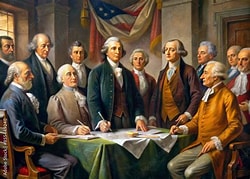
In preparation for the celebration of our nation's birthday, my wife and I have been
watching some documentaries about the early days of our nation’s birth.
I am still mulling over some early impressions from these stories.
There have always been political divisions as we struggled to shape this democracy.
The earliest of days saw conflict over whether or not we should be independent of the
British Crown. As we moved toward independence and away from Great Britain, our
leaders reflected on what they thought were the best and the worst of the European
governments, while leaning into the thinkers, poets and philosophers of the
Enlightenment. In our struggle to cast off tyranny, independence and representation
became critical themes. Nevertheless, in the hard work of forming a government,
tensions arose over the role of the government in the daily affairs of its citizens. From
some of its earliest beginnings these tensions resulted in two political parties that were
divided over whether power belonged to a centralized government or belonged to
independent states. George Washington was the only president elected without these
conflicts being embodied in two political parties – the Federalist and Democratic
Republicans. The struggle was real, and necessary, as they tried to envision a
governance structure that didn’t look like monarchy while addressing the pragmatic
challenges of forming a “more perfect union”.
I often fret over how divisive our political system and political engagement seem to be
today and wish for some idyllic days of statesmanship, civil debate and compromise.
Yet, from the very beginning, determining the appropriate role of government, power
and leadership have been fraught with incivility, partisanship and raucous disagreement
over how to sustain and enrich this new political and governance reality. We are still at it
today. I am willing to embrace that as a good thing. Debate, honest disagreement, open
exchange of ideas and ideals can protect us from confirmation bias, group bias and
single-mindedness.
In addition to being a nation born out of conflict and debate, we were a nation born out
of men and women of great contradictions and inconsistencies. I have been reminded
how much of what I thought I knew about the early founding fathers in the earliest days
of the formation of this great nation has been a highly curated historical memory. The
curation was according to who was telling the story and to what purpose. The early
founders were amazingly insightful, courageous and creative thinkers, reflecting
intellectual philosophical thought of the Enlightenment. They were also privileged, from
the wealthiest families of the new world, well-educated and fallible. Thomas Jefferson
penned some of the most beautiful words that articulated our aspirations as a new
nation. The founders who helped to edit and refine our early framing documents were
capable of the heights of brilliance and the depths of pettiness. We hear the aspirational
notes of freedom and justice, reminding us of the human rights that we share in
common. And yet, the very creators of these documents were rarely able to fully live out
these ideals in their own personal lives. Most were slaveholders and none of them freed
their slaves even after signing their names to a document that today we would say
applied to all people in this country equally. Only one early president, George
Washington, freed his slaves upon his death through his will. Thomas Jefferson did not.
At his death, his slaves were considered a part of his estate property to be sold off to
pay his debts. That included his beloved Sally Hemmings.
Today, we have some people who want to curate, scrub and otherwise tell incomplete
narratives of our history. They don’t want to memorialize any facts and narratives that
might cause us to think critically of our past. But the role of an honest history and whole-
cloth story telling is not to criticize or demonize our ancestors for their failings or to only
memorialize their greatness. I hope we can look honestly at our heritage and our
forbearers so that we can learn how we are like them and, perhaps, how to be our
better selves in our desire to create a more perfect union.
Happy Birthday Uncle Sam.
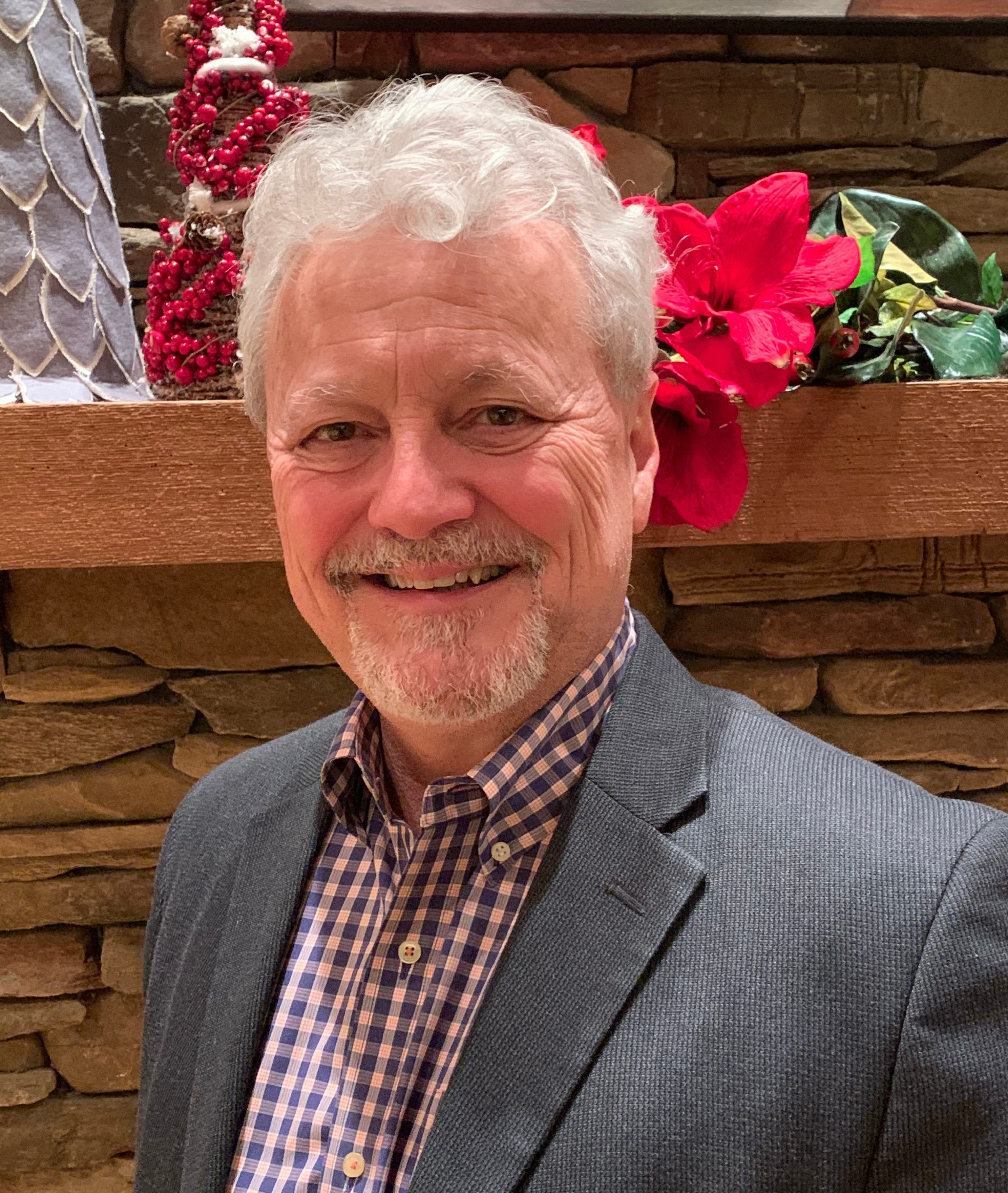
Larry retired from Baptist Health Kentucky & Southern Indiana in 2023 after 40 years of service in a variety of executive roles. He began his healthcare career as a clinically trained chaplain and certified clinical pastoral educator. Larry believes his previous education and early work as a pastoral care giver have helped shape his views on servant leadership, mentoring and organizational culture, all personal and academic interests he pursues in retirement. He currently mentors students and early careerists and teaches leadership and organizational ethics in healthcare. Larry deeply appreciates his years of relationship, fishing, camping and golf with Raleigh and Ken and the ways they challenge him emotionally and spiritually along this journey.
Larry and Mary Ida have been married for nearly 43 years and have 5 children, 12 grandchildren, and 4 great grandchildren.
Larry invites you to follow him on LinkedIn.

I Have Choices