In Awe of the Ordinary

In our podcast that posted on August 1, 2026, we discussed how we have been changed in some
Along the way we shifted to discussion of whether or not change only happens with “big”
I left our conversation thinking about that. We all seemed to wonder why it takes something big
I heard us use words that left me with a desire to acknowledge the possibility of “awe of the
My friend Claude AI says that scholars believe that one obstacle is habituation. “Our brains are
However, most of my growth has been incremental and developmental. While I can point to big
Here is what I am committing to do:
1) Slow down enough to actually look at something rather than just categorize it.
3) Expand gratitude practices specifically aimed at the unremarkable (not just the good
Peace
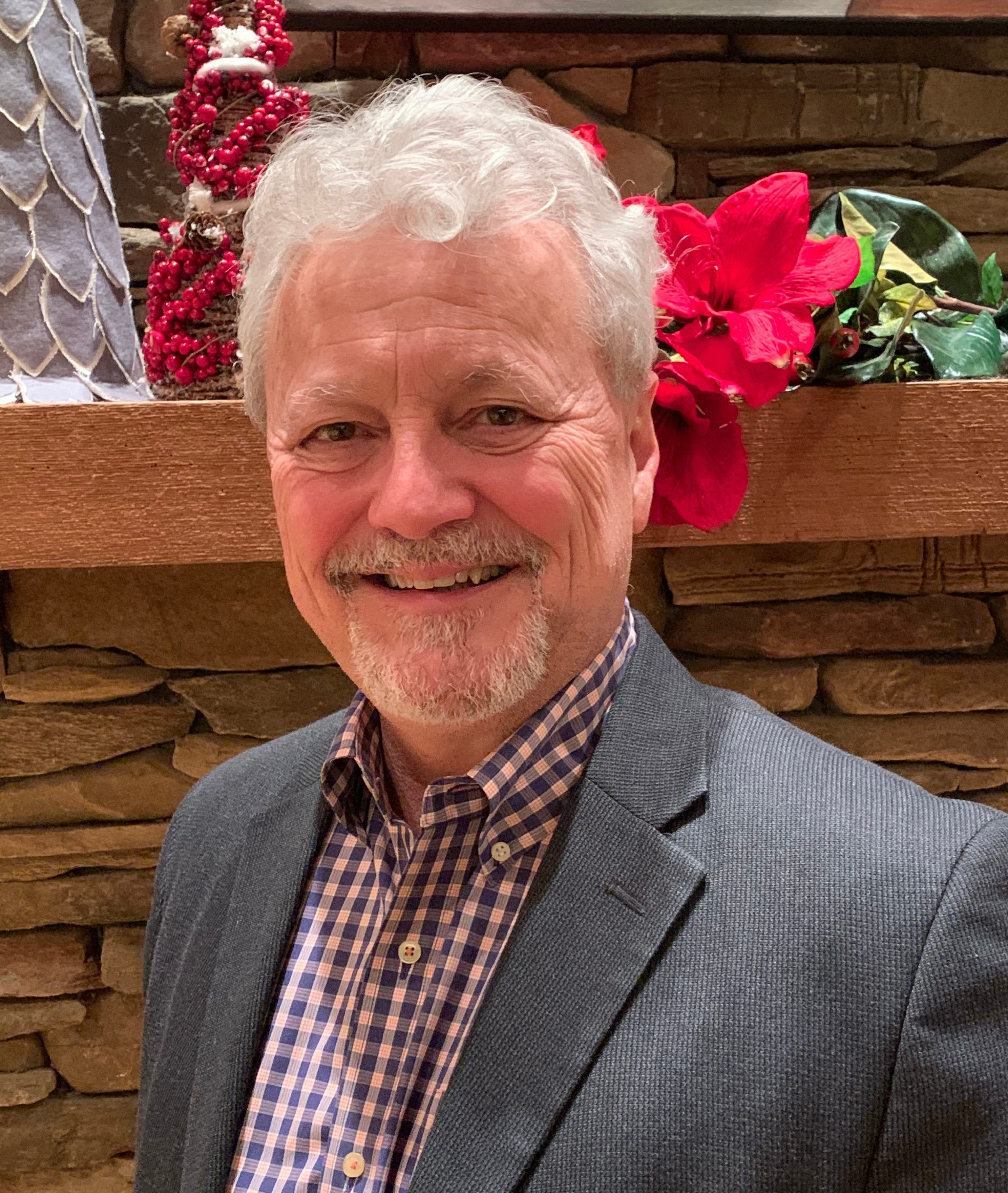
Larry retired from Baptist Health Kentucky & Southern Indiana in 2023 after 40 years of service in a variety of executive roles. He began his healthcare career as a clinically trained chaplain and certified clinical pastoral educator. Larry believes his previous education and early work as a pastoral care giver have helped shape his views on servant leadership, mentoring and organizational culture, all personal and academic interests he pursues in retirement. He currently mentors students and early careerists and teaches leadership and organizational ethics in healthcare. Larry deeply appreciates his years of relationship, fishing, camping and golf with Raleigh and Ken and the ways they challenge him emotionally and spiritually along this journey.
Larry and Mary Ida have been married for nearly 43 years and have 5 children, 12 grandchildren, and 4 great grandchildren.
Larry invites you to follow him on LinkedIn.
I Have Choices