My Words Matter
In a recent conservative radio interview with Representative Jen Kiggans, the host
suggested that Representative Hakeem Jeffries keep his “cotton-picking” hands off of
the Virginia redistricting fight. Rep. Kiggans laughed and agreed, and has since back-
tracked on the use of the term, though not the target. The context is that Jeffries does
not represent Virginia in Congress and doesn’t have a say in the matter. Further context
is that the redistricting is a racially charged gerrymandering to secure more
Republican/MAGA seats. Added context – Kiggans and the radio host are White.
Jeffries is Black.
The public backlash was immediate. I was aghast. How could we be so permissive of
blatant racial slurs? How has our political environment become so heated, so divisive,
so uncivil that dog whistles are hardly nuanced any more?
As we ended our last podcast, posted this week, we were talking about the need for
honesty about our past, making amends, a national 12-step engagement in self-
reflection, confession, and intentional movement toward being our better selves in
creating a “more perfect union.”
phrase “cotton-picking hands” and referring to people as “cotton-pickers”. Let me be
more honest – I have used those phrases. “It wasn’t racial” I tell myself, because I was
talking to or referring to white friends. And it was in jest.
As an adult, I know better. That those phrases are rooted in our slave-owning past is
undeniable. Their use as derision is clear. They are pejorative terms intended to evoke
degrading images.
Even if I could convince myself of my innocence in my intent, the injurious and
provocative images it creates for black Americans and descendants of slavery mocks
my attempts at rationalization.
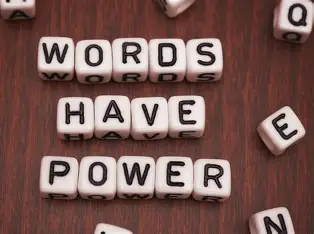
Words matter.
That’s why I agree with Ibram Kendi that it is not enough for me to claim, even with
good intention, that I am not racist. I have to admit that I carry vestiges of my biased
and racist upbringing. That is unescapable growing up in the era in which I did. I still
have immediate responses and images that spring into my consciousness in multiple
situations. I am capable of making decisions based in racially-based assumptions. No, I
can not claim to be racist-free. But I can be intentional about being anti-racist, beginning
with my own hard and humbling inner work.
I must actively engage my own biases and assumptions. I must evaluate my own
speech and vocabulary. In writing this I have already identified other phrases I have
dehumanized and marginalized under my white gaze. And not just descendants of
slavery. I grew up in anti-Catholic and anti-Jew neighborhoods. I grew up with anti-
immigrant messages – diminishing anyone who looked different, talked with different
language or with an accent, or held different beliefs than me and mine.
I have to be anti-racist in calling out the harm in ethnically-charged public rhetoric. But if
I am going to do that with integrity, I have to start by calling out my own.
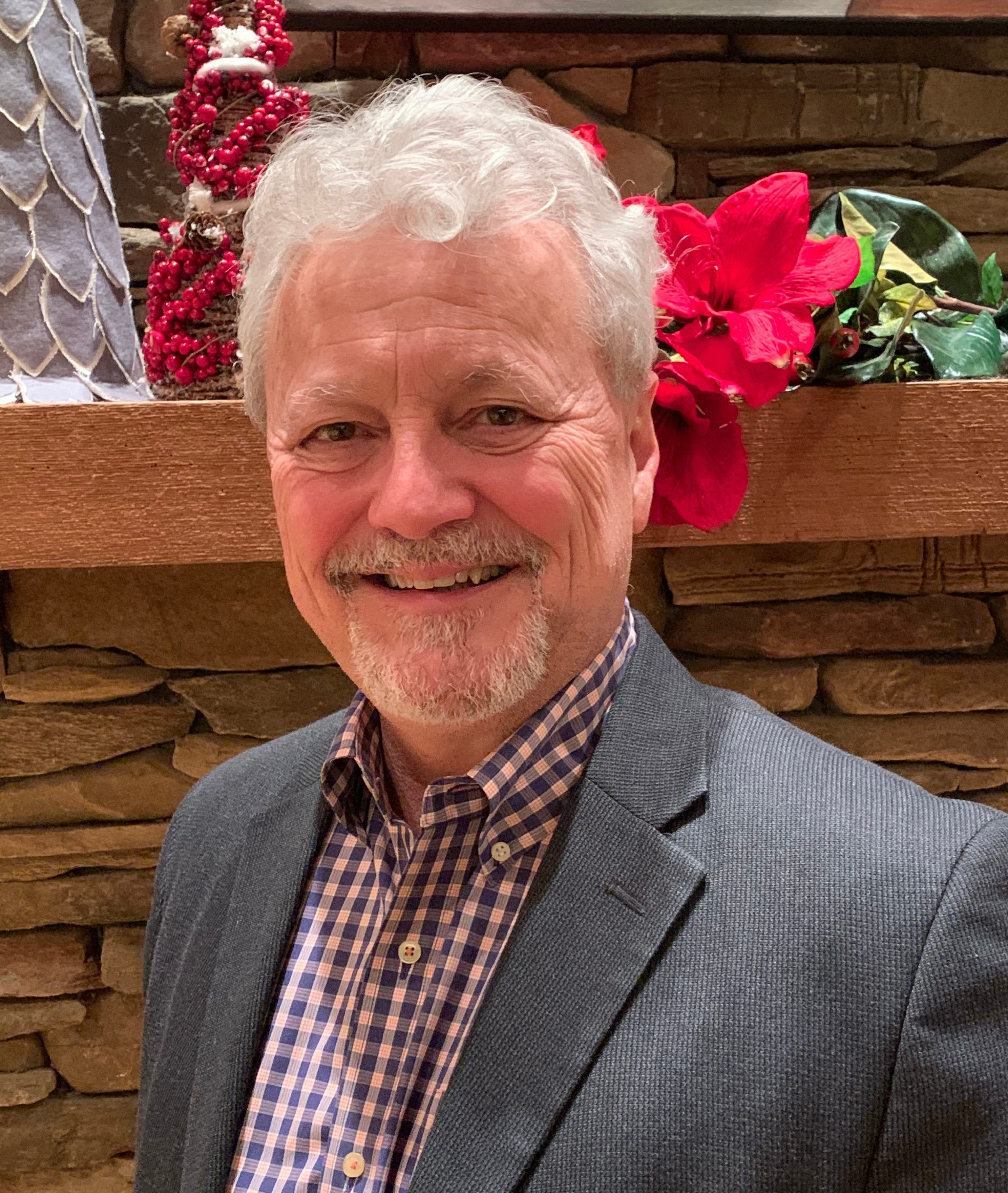
Larry retired from Baptist Health Kentucky & Southern Indiana in 2023 after 40 years of service in a variety of executive roles. He began his healthcare career as a clinically trained chaplain and certified clinical pastoral educator. Larry believes his previous education and early work as a pastoral care giver have helped shape his views on servant leadership, mentoring and organizational culture, all personal and academic interests he pursues in retirement. He currently mentors students and early careerists and teaches leadership and organizational ethics in healthcare. Larry deeply appreciates his years of relationship, fishing, camping and golf with Raleigh and Ken and the ways they challenge him emotionally and spiritually along this journey.
Larry and Mary Ida have been married for nearly 43 years and have 5 children, 12 grandchildren, and 4 great grandchildren.
Larry invites you to follow him on LinkedIn.
Know Thyself