I Have Choices

In preparation for a class I was teaching, I read an essay By Amy Frykholm, entitled
Ray is an addiction prevention specialist and researcher. His company has led in
I was intrigued by our conversation around the interplay between biology and choice.
Let me hasten to say that for a person deep in their addiction, to talk about “choices” in
That was especially challenged by the way that Rabbi Falcon talked about the
It caused me to reflect on the power of my own choices and to be conscious of the ways
To make those choices requires honesty, self-knowledge, and accurate self-assessment
1 “Enslavement and Exodus”, Amy Frykholm, Journey with Jesus - Enslavement and
2 Taking the Guesswork Out of Addiction Prevention
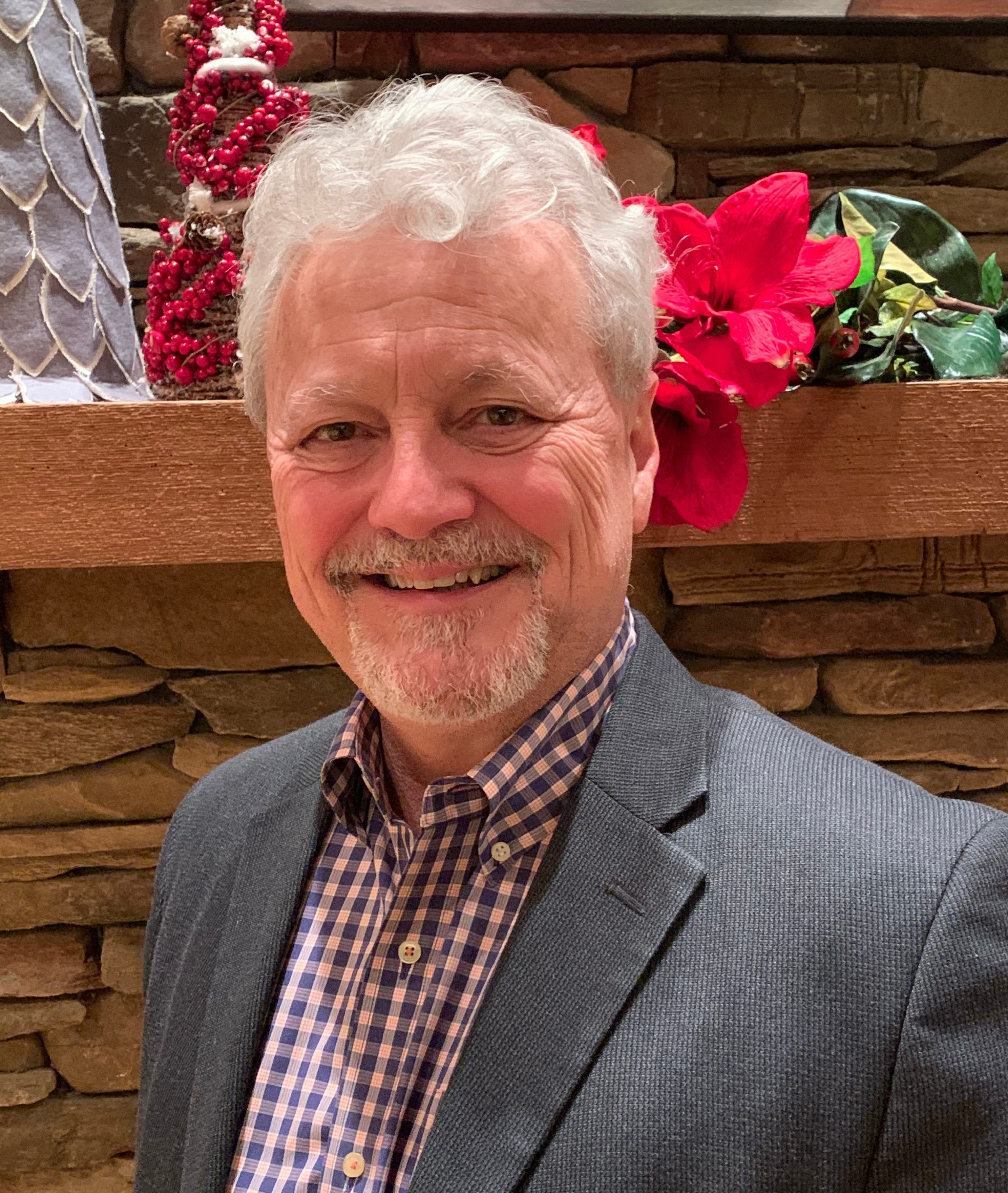
Larry retired from Baptist Health Kentucky & Southern Indiana in 2023 after 40 years of service in a variety of executive roles. He began his healthcare career as a clinically trained chaplain and certified clinical pastoral educator. Larry believes his previous education and early work as a pastoral care giver have helped shape his views on servant leadership, mentoring and organizational culture, all personal and academic interests he pursues in retirement. He currently mentors students and early careerists and teaches leadership and organizational ethics in healthcare. Larry deeply appreciates his years of relationship, fishing, camping and golf with Raleigh and Ken and the ways they challenge him emotionally and spiritually along this journey.
Larry and Mary Ida have been married for nearly 43 years and have 5 children, 12 grandchildren, and 4 great grandchildren.
Larry invites you to follow him on LinkedIn.
In Praise of Science and Research