What Is Truth?
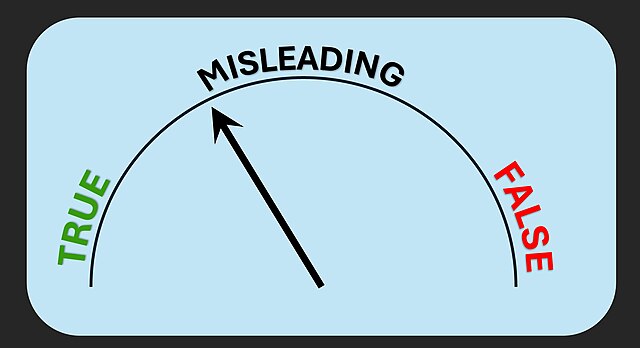
This is a question that seems particularly relevant today. “Truth” appears to have been taken hostage and belittled in the exponential growth of AI-driven social media, political divisiveness, “culture wars”, and mean-spirited diatribes rife with labeling and name-calling.
Certain forms of “untruth” are self-evident. It is obvious, for example, when a person claims something is true when there are publicly available and knowable facts to the contrary. We are used to politicians and their aides spinning stories to make themselves or their policies look good or play to a particular constituency. We recognize elements of truth in the spin but not the whole truth. We marvel at the ways leaders deny saying something or deny holding a position when there is recorded video and audio evidence that they are at best misremembering or, at worst, lying.
However, these are different scenarios from the ones the Exploracast crew discussed recently in a podcast.
What does it mean when someone says, “this is my truth”?
Let me address the negative first. Sometimes the statement of personal truth is intended to shut down a conversation or the exploration of alternative interpretations of facts. It is as if to say that if something is true for me, you have no right to dispute it, simply because it is not your truth. It is the declaration of a closed system of thinking and relating to the world.
However, I have other thoughts and assumptions about that statement.
I assume we all have different lived-experiences. These experiences have shaped our worldviews and the lens through which we frame our interpretation and the meanings we assign to current events or experiences. Sometimes when a person says, “this is my truth”, they are claiming what they have learned through life and experiences, the beliefs and meanings they hold dear, and the intergeneration family stories and myths that have helped shape their identity. There is validity and power in “my truth”.
I also assume that most people are able to admit that their truth is not the whole truth. That is, what they believe and hold dear and shapes their response to the world is firm enough to create stability and resist paralyzing anxiety. However, it is permeable enough to take in new information, smooth out rough edges and test their “truth” over against experiences.
Some of that new information may be gained when two people with different lived experiences and journeys can be in genuine dialogue, where one does not have to win points for their “truth”. As convinced as I may be of my “truth”, I am called to have the humility and wisdom to know that I never understand or know the whole truth about my own experience, let alone anyone else's experience. None of us know all there is to know in the complexity of relationships and the mysteries of our world. Perhaps that acknowledgement can enable me to be open to hearing other people's experiences and worldview with less judgement or need to protect or defend my own truth.
I believe that there are some universal truths shared across multiple cultures and belief systems. But, again, I have to struggle with and admit to my own limited ability to describe or understand the fullness of those truths and their implications for my life.
Truth has been mostly fluid for me. Not in some whimsical way where truth changes instantly in light of the situation. But over time, the truths that shaped my early life are not held so tightly today. Some have been let loose altogether because I find them to not be useful, meaningful, or true at all for me. Some are abiding and unshakeable, at least for now.
I need to afford the same possibility to others.
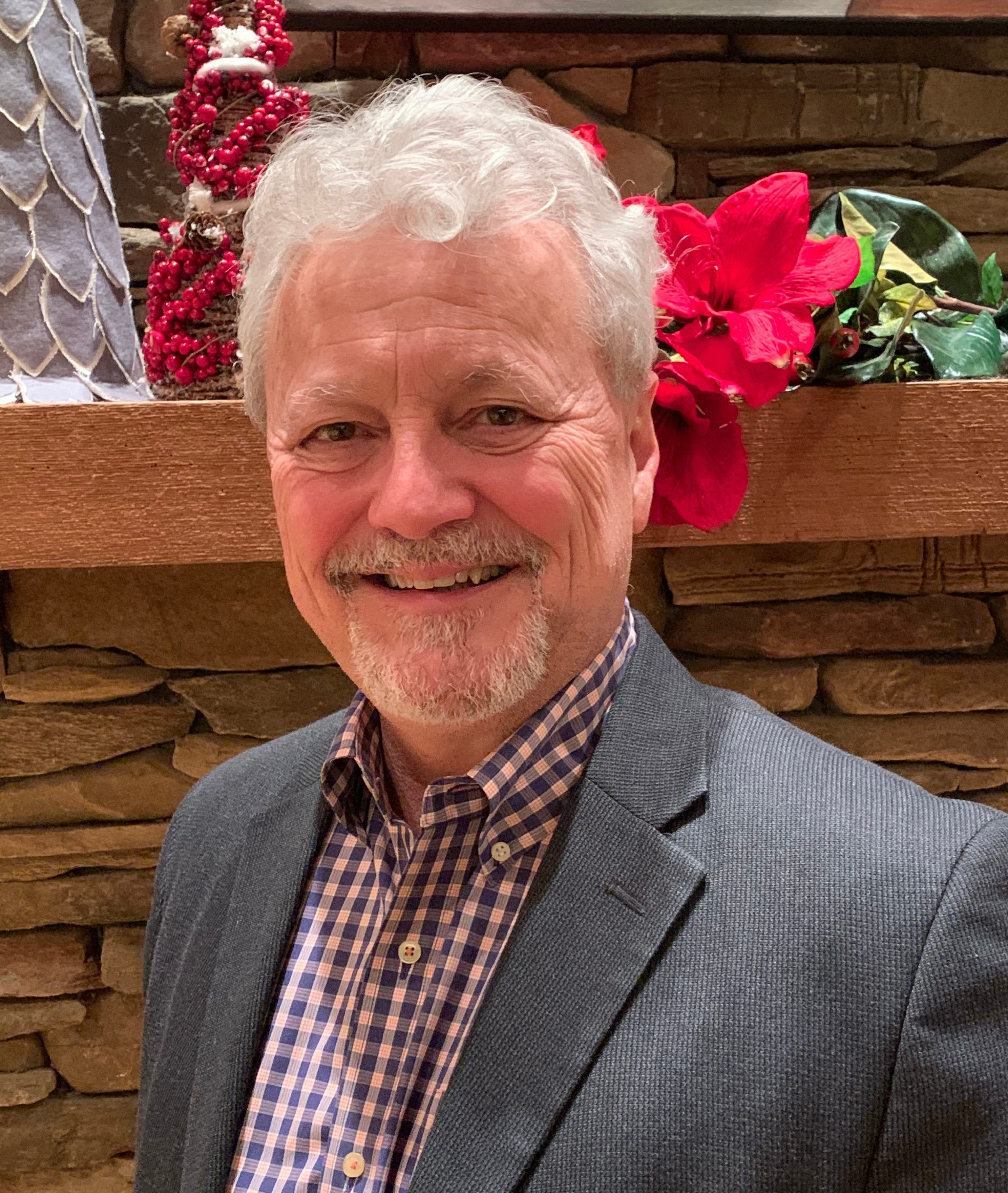
Larry retired from Baptist Health Kentucky & Southern Indiana in 2023 after 40 years of service in a variety of executive roles. He began his healthcare career as a clinically trained chaplain and certified clinical pastoral educator. Larry believes his previous education and early work as a pastoral care giver have helped shape his views on servant leadership, mentoring and organizational culture, all personal and academic interests he pursues in retirement. He currently mentors students and early careerists and teaches leadership and organizational ethics in healthcare. Larry deeply appreciates his years of relationship, fishing, camping and golf with Raleigh and Ken and the ways they challenge him emotionally and spiritually along this journey.
Larry and Mary Ida have been married for nearly 43 years and have 5 children, 12 grandchildren, and 4 great grandchildren.
Larry invites you to follow him on LinkedIn.
My Insidious Ageism